Director · 31 Aug 2026
CONRAD CHALLENGE
## Conrad Challenge
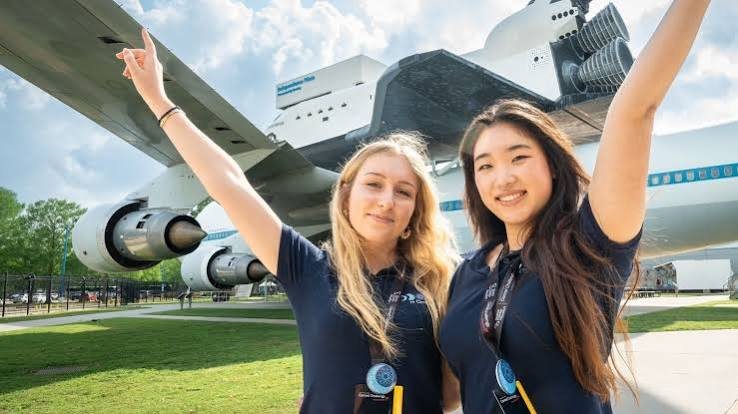
The **Conrad Challenge** is a global innovation and entrepreneurship competition for students aged **13–18**. Students work in teams of **2–5** to identify a real-world problem and develop an original, practical and scalable solution.
Unlike a traditional science fair, Conrad focuses not only on research but also on **innovation, prototype development, real-world impact, market need and entrepreneurship**.
### Main Stages
**1. Activation Stage**
Teams are formed, a real-world problem is selected, and the initial innovation idea and Lean Canvas are developed.
**2. Innovation Stage**
Teams develop the solution further through research, prototype/model creation, testing, market understanding and an innovation pitch.
**3. Innovation Summit**
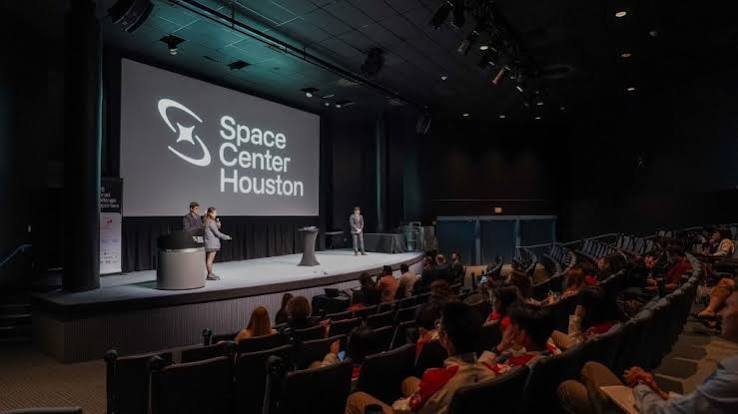
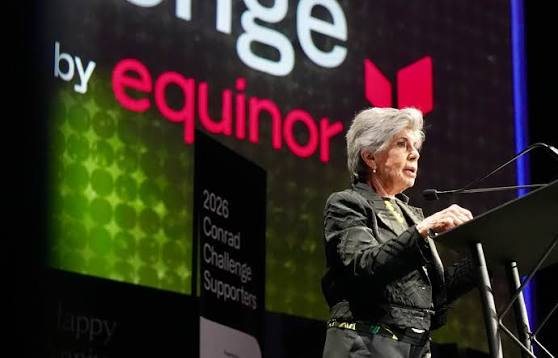
The strongest teams are selected as finalists and present their innovation to expert judges at the international Conrad Challenge Innovation Summit.
### Main Project Areas
Projects generally fall under areas such as:
* Aerospace & Aviation
* Cyber Technology & Security
* Energy & Environment
* Health & Nutrition
* Water-related innovation
A strong Conrad project should follow:
**Problem → Research → Innovation → Prototype → Testing → Impact → Business Model → Scale**
The aim is not just to create a model, but to develop a solution that can realistically solve a meaningful problem and potentially grow beyond the competition.
Students should go through the **official Conrad Challenge links and attached resources** carefully before starting, as rules, dates and submission requirements may change each year.
Director · 31 Aug 2026
IRIS NATIONAL FAIR
IRIS National Fair – Pathway to Regeneron ISEF
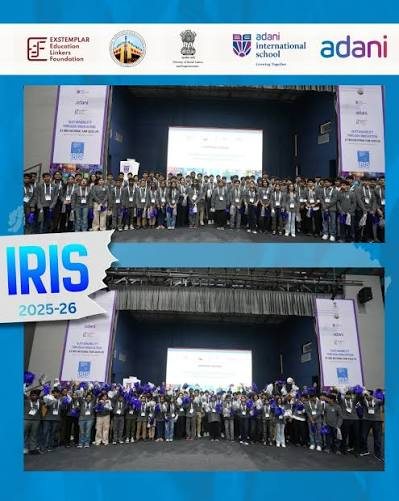
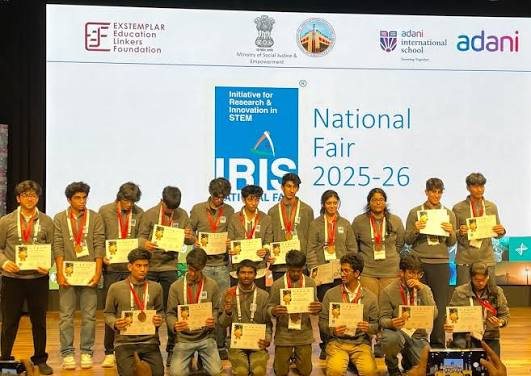
The **IRIS National Fair (Initiative for Research and Innovation in STEM)** is one of India’s leading national-level research competitions for school students and serves as an important pathway for selecting outstanding student researchers to represent **Team India at the Regeneron International Science and Engineering Fair (ISEF)**.
IRIS is organised by the **EXSTEMPLAR Education Linkers Foundation** and has worked with and received support from national science organisations, including the Department of Science and Technology (DST), Government of India. Its main purpose is not simply to showcase science models, but to identify and develop students carrying out **original scientific research, experimentation, engineering design and innovation**.
Students are expected to identify a genuine problem or research question, study existing work, develop a hypothesis or engineering objective, conduct experiments or testing, collect and analyse data, and present evidence-based results and conclusions. A display-only model, copied experiment or idea without genuine research and validation is not what IRIS is looking for.
### How the IRIS → ISEF pathway works
**Stage 1 – Research & Project Development**
Students develop an original research or engineering project. Strong projects generally include a clearly defined problem/research question, background research, methodology, experimentation or prototype testing, data analysis, results and a justified conclusion.
**Stage 2 – IRIS Online Submission**
The project is submitted to IRIS with the required project information and supporting research material. For the **2026–27 cycle, submissions are open from 1 August to 3 October 2026**.
**Stage 3 – Scientific Review & Shortlisting**
Projects are evaluated by the IRIS **Scientific Review Committee (SRC)**. Research quality, originality, methodology, scientific reasoning, evidence, ethics and compliance with applicable rules are important. Selected projects progress to the IRIS National Fair.
**Stage 4 – IRIS National Fair**
Shortlisted students present and defend their research before scientists and judges at the national level. Students should be prepared not only to explain what they created, but also why they conducted the research, how the experiment was designed, what the data demonstrates, the limitations of the work and what could be investigated next.
**Stage 5 – Team India / ISEF Preparation**
Top-performing eligible projects can be selected for the Indian contingent progressing towards **Regeneron ISEF**. Selected students then undergo further preparation and mentoring, including scientific presentation, documentation, posters, research compliance and ISEF-related requirements.
**Final Stage – Regeneron ISEF**
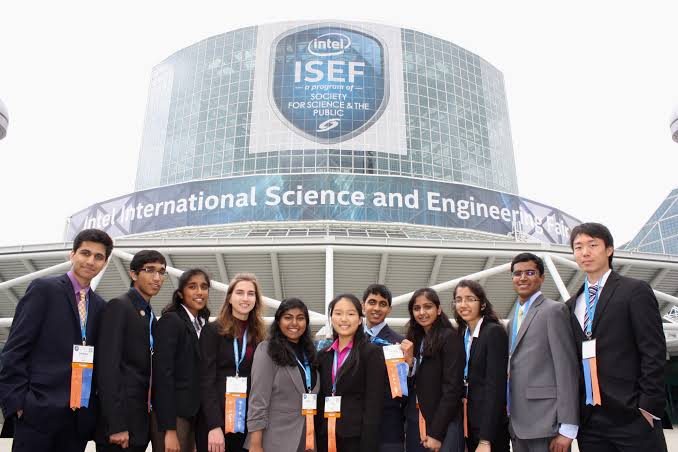
Regeneron ISEF is the international stage, organised by the **Society for Science**, where selected students from affiliated fairs around the world compete with some of the strongest pre-college research projects internationally. Students cannot simply register for ISEF independently; they must qualify through an affiliated pathway such as IRIS.
### Important Note About the Attached Handbook
The handbook attached in this Science Challenge section is the **Regeneron ISEF International Rules and Guidelines — it is NOT the IRIS National Fair handbook**.
It has been included intentionally because anyone seriously aiming for IRIS and ultimately ISEF should understand international research requirements from the beginning of the project. This is especially important for projects involving areas such as human participants, biological materials, microorganisms, vertebrate animals, chemicals, hazardous equipment or other research requiring prior approval.
However, students must **also read the current IRIS Rules & Guidelines and the official IRIS website**, because IRIS has its own eligibility, submission format, deadlines and national-level requirements.
### What Should You Do?
Do not begin by asking, **“What project can I make?”**
Instead, begin with:
**What real problem or unanswered question can I investigate scientifically?**
Then develop it into:
**Problem → Research Question → Literature Review → Hypothesis/Engineering Goal → Methodology → Experimentation → Data → Analysis → Conclusion → Limitations → Further Research**
Students interested in participating should carefully go through **all the official links provided below**, study previous IRIS/ISEF projects, read the rules before beginning experimentation and understand the research process before selecting their final topic.
The objective should not simply be to qualify for another round. The objective should be to produce **original, defensible and meaningful research** strong enough to survive questioning from scientists at the national level — and potentially represent India internationally.